Description
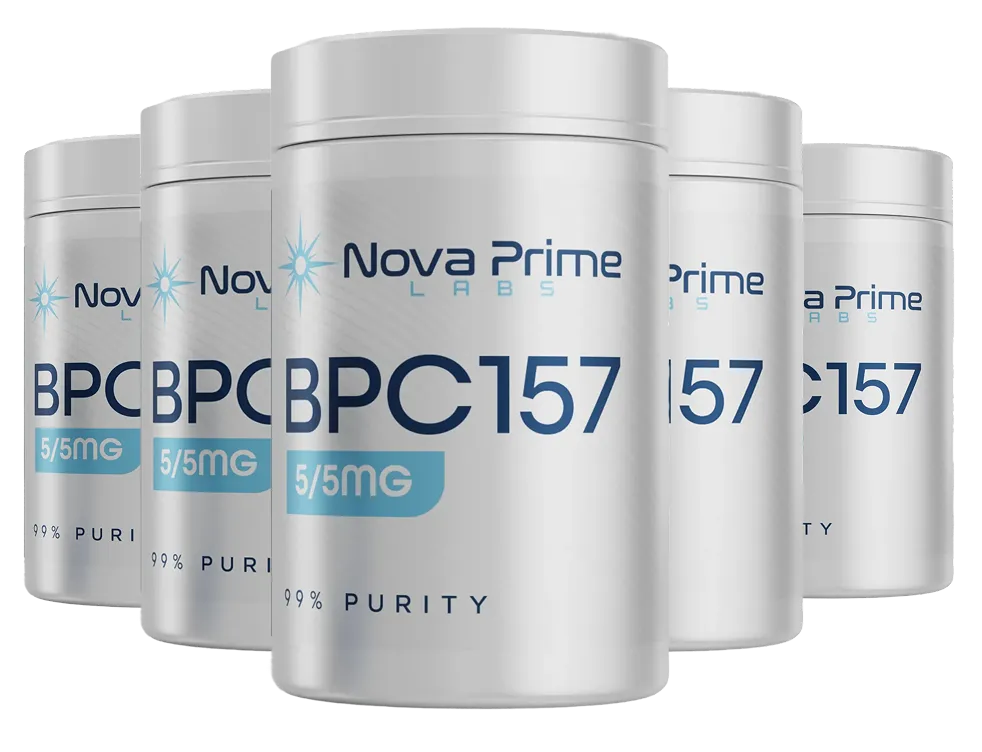
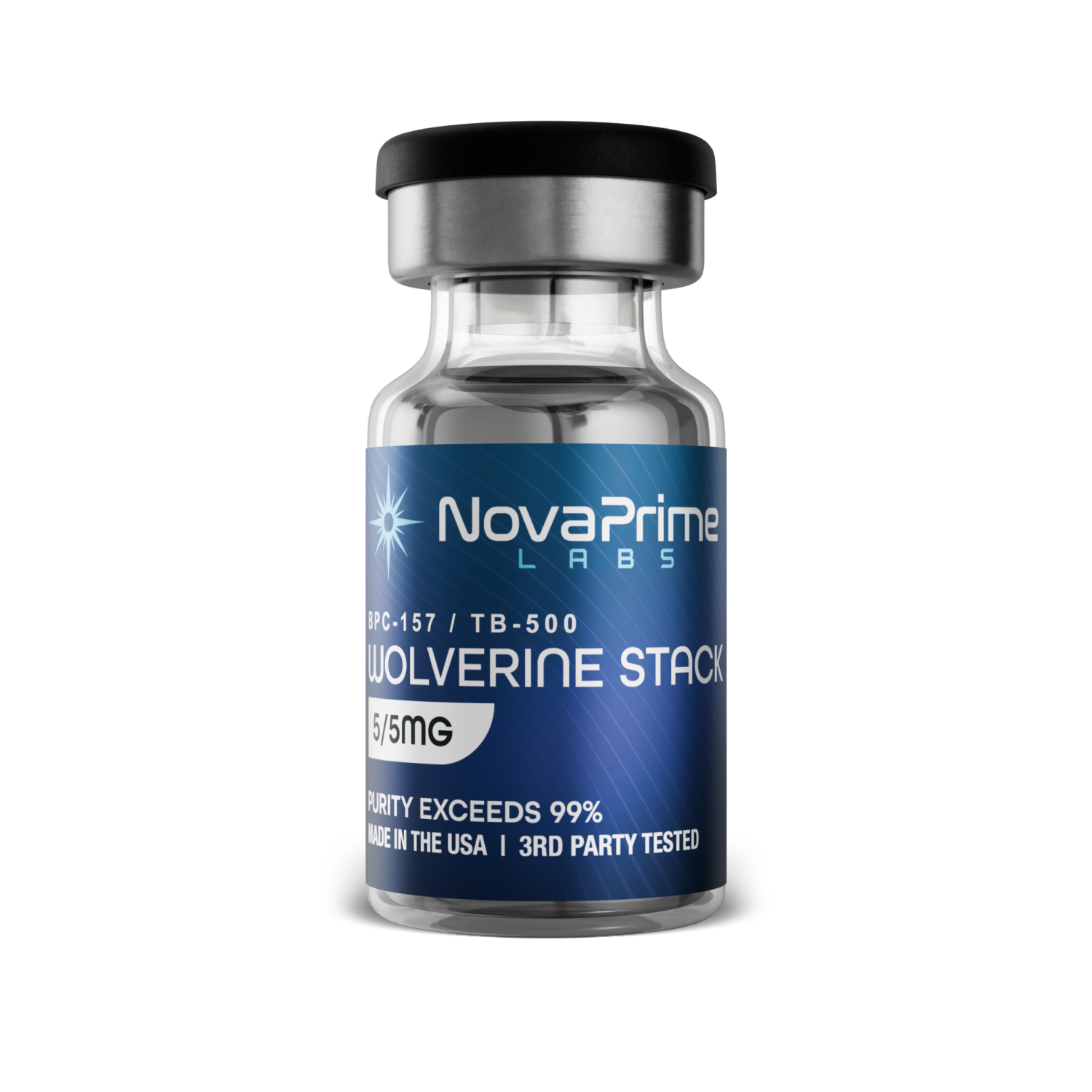
This is a blend (10mg) each of BPC-157 (5mg) and TB-500 (5mg).
BPC-157 (short for Body Protection Compound-157) is a synthetic peptide derived from a protective protein found in gastric juice. First isolated in the 1990s, this partial sequence of body protection compound consists of 15 amino acids arranged in a specific sequence that appears to contribute to its biological activity. Its structure enables stability in gastric acid, unlike many other peptides that degrade in acidic environments. This unique property may contribute to its diverse effects across multiple tissue types.
TB-500 is a synthetic version of the naturally occurring peptide Thymosin Beta-4 (Tβ4), which is found in nearly all mammalian cells. The synthetic TB-500 represents the active segment of Tβ4, focusing on a specific portion believed to drive its biological activity.
While both peptides have been studied for tissue-regenerative properties, they appear to function through different mechanisms:
- BPC-157 may work primarily through growth factor-mediated pathways and nitric oxide systems.
- TB-500 appears to function mainly through actin-binding and subsequent cellular organization.
This mechanistic difference suggests they may have complementary effects when studied in laboratory settings, potentially affecting different aspects of the tissue repair process.
Properties of BPC-157
- Peptide Sequence: Gly-Glu-Pro-Pro-Pro-Gly-Lys-Pro-Ala-Asp-Asp-Ala-Gly-Leu-Val
- Chemical Formula: C62H98N16O22
- Molecular Mass: 1419.5 g/mol
- CAS Number: 137525-51-0
- PubChem: 56843331
Properties of TB-500
- Peptide Sequence: Ac-Leu-Lys-Lys-Thr-Glu-Thr-Gln (Ac-LKKTETQ)
- Chemical Formula: C38H68N12O14
- Molecular Mass: 889.0 g/mol
- CAS Number: 885340-08-9
- PubChem: 62707662
Lyophilized Peptides
These peptides are freeze-dried, a process that not only extends shelf life but also preserves the purity and integrity of the peptides during storage. We do not use any fillers in this process.
This content is provided strictly for research purposes and does not constitute an endorsement or recommendation for the non-laboratory application or improper handling of peptides designed for research. The information, including discussions about specific peptides and their researched benefits, is presented for informational purposes only and must not be construed as health, clinical, or legal guidance, nor an encouragement for non-research use in humans. Peptides described here are solely for use in structured scientific study by authorized individuals. We advise consulting with research experts, medical practitioners, or legal counsel prior to any decisions about obtaining or utilizing these peptides. The expectation of responsible, ethical utilization of this information for legitimate investigative and scholarly objectives is paramount. This notice is dynamic and governs all provided content on research peptides.